The bust sets the size; the cut sets the shape
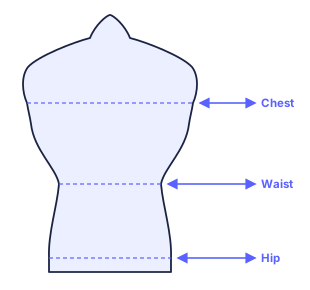
For tops, the bust is the measurement that decides the size, because it is the point a top must clear without pulling or gaping. Measure around the fullest part of the chest with the tape level and resting against the skin, not compressed; measure the waist as well only if the top is fitted or meant to be tucked.
If the two numbers fall in different columns, let the bust lead and manage the waist with the cut: a belted or relaxed hem can absorb the difference, while a top that strains across the chest cannot be saved by anything. Shoulder and sleeve measurements join the decision for structured pieces, but for the everyday tee, blouse, or sweater the bust column is where the choice is actually made.
Alpha labels are not the same as numbered sizes
Letter sizing looks simple and is not. Across brands, an XS commonly covers bust measurements around 30 to 33 inches, a small around 32 to 35, a medium around 35 and a half to 38, and a large around 38 to 41. The ranges overlap, and each brand shifts them, so two mediums can differ by several inches.
Numbered sizes are no more consistent, but they convert predictably: a US 8 is usually a UK 12 and around an EU 38, with European labels running roughly thirty numbers above the US scale. None of these systems shares a common definition, which is why the measurement columns in the brand’s own chart are the only part worth trusting. Pick the size whose bust range contains your measurement, then treat the letter or number as a label for your own reference rather than as the decision itself.
Knit stretch and woven structure fit differently
Fabric behaviour changes how much room the size must supply. A knit in jersey, modal, or rib can stretch with you, which lets it sit close and still move, and small deviations in the numbers rarely show. A woven in cotton shirting, linen, or silk has fixed dimensions: the seam at the bust, the armhole, and the shoulder must fit as cut, so it is the woven top that punishes the wrong column.
Stretch is not an invitation to size down by habit: a ribbed knit drawn tight shows every line, and a thin jersey under tension can turn sheer. Check the fabric content and whether the chart lists body measurements or garment measurements, and lean toward the roomier side whenever the piece has buttons, a woven weave, or a fitted armhole.
Shoulders, sleeve, and length for structured tops
Once a top has structure (a blazer, a button-front shirt, a stiff poplin blouse), the shoulder seam becomes a gatekeeper. The seam should end where the shoulder meets the arm, not slide down the upper arm or climb onto the shoulder cap, and shoulder width is among the most difficult alterations a tailor faces.
Sleeves are measured from the centre back of the neck, over the shoulder, and down to the wrist bone with the arm slightly bent, and a fitted sleeve should end around the wrist without swallowing the hand. Raise both arms, reach forward, and button every button during the try-on; a placket that pulls open across the bust or an armhole that digs when you reach means the next size or a different cut, whichever brand it happens to be.
Petite and plus ranges: width and proportion change separately
Petite and plus ranges adjust more than one number at a time. Petite is typically cut for wearers around 5 feet 3 or 4 inches and under, and shortens the torso length, sleeve, and shoulder width along with the hem, so a regular top that is merely hemmed shorter can still hit the waist in the wrong place. Tall ranges do the reverse for wearers from roughly 5 feet 7 or 8 inches up. Plus ranges grade the width upward, but a well-drafted plus pattern also re-proportions the shoulder, armhole, and length rather than scaling every seam equally. If you fall at the edge of a range, compare the garment lengths and sleeve lengths in the chart against a top you already own, because that comparison predicts fit better than the size name.
Layering changes which size fits
A top sized for itself is not sized for its job. The same measurements that fit a camisole will fail a shirt worn over a turtleneck or a sweater meant to sit under a blazer, because each extra layer consumes room across the chest and through the armhole. Decide how the top will actually be worn before you choose a size: over a base layer, under a jacket, or alone in warm weather. For intentionally oversized styles, the chart will look wrong by design: the garment is cut large, so compare its stated measurements with a similar top you own rather than with your body numbers. The chart tells you what the piece measures; only the intended outfit tells you whether that measurement is the right one.
What one bust measurement decides
Work one bust measurement through the three cases and the logic stops feeling abstract. Take a 35-inch bust, which sits at the top of the small range and just under the start of the medium in the ranges above. In a knit tee you can stay at the small; in a woven button-front with fixed armholes, the medium is the safer call; in a blazer, the same bust plus broad shoulders pushes further up, because the shoulder seam refuses to compromise. The measurement did not change. Only the fabric and the cut did.
The caution behind the example: size labels vary by brand, so confirm the seller’s current chart for the exact top rather than carrying a size over from another shop. When a chart lists garment measurements instead of body measurements, compare against a top you already own, not against your body numbers.
Re-measure at the start of each season, since fabric and bodies both drift, and keep a short note of which brands’ smalls actually fit you. After a few orders, that personal list beats any conversion table.