Start with the activity, then pick the fit family
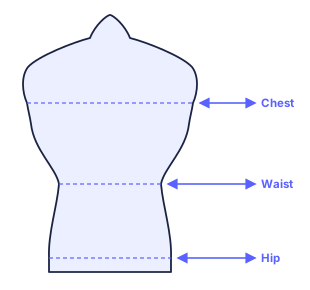
Activewear splits into two fit families that share a size chart but not a philosophy. Compression pieces (leggings, sports bras, base layers) are sized to sit against the body and move with it, which means the chart expects your bare-body measurements with little or no ease. Relaxed pieces (training tops, joggers, warm-up layers) are cut with movement room built in, and their letters run larger for the same body. The same medium that hugs you in a base layer will drape in a training tee. The two families also answer to different body points: compression gear is graded from the hip and bust, while relaxed pieces are graded more loosely from the chest and waist, so the same tape numbers lead to different sizes in each. Decide which family the item belongs to before comparing numbers, and if the product page describes a “relaxed,” “loose,” or “oversized” fit, read its chart with that lens rather than your legging size.
Compression fit: snug without cutting in
Compression sizing rewards precision. Measure the body bare, in fitted underwear only, because activewear is cut to your skin, not to the clothing over it. A tape run over a t-shirt adds inches that become baggy gear. Leggings are usually sized from the hip, the point where stretch matters most, while fitted tops are sized from the bust.
The right fit is a working tension: the waistband sits flat without rolling or digging, the fabric follows the leg without bunching behind the knee or ankle, and nothing bites at the waist or thigh. Then test by squatting deep, if the waistband rolls down or the fabric thins toward transparency across the seat, the size or the fabric weight is wrong, and the fix is to size up or pick a denser pair.
Relaxed fit: where training tops get their room
Relaxed activewear should feel like it has spare volume, not like it is too big. A training top needs room through the chest and shoulder to reach, row, and press without the hem riding to the ribs; joggers need room to flex through the knee without the fabric binding. Because the intended slouch is built into the pattern, your body measurements will often sit below the garment’s stated width, and that is correct.
Compare the product’s garment measurements against a similar piece you already own and like, and use your own body numbers only as a cross-check. A “loose” tee whose chest matches your measurement exactly will fit more like a fitted top than its description suggests. When a chart gives a single chest width per size, remember that width is the garment measured flat, double it and compare the result against your chest plus the movement room the activity demands.
Sports bras: band, cup, and impact level
Sports bras use two sizing systems, and knowing which one you are holding changes the whole comparison. Alpha-sized styles map letter sizes to band and bust ranges. A small commonly covers bands and cups around 32A to 32C and 34A to 34B, with the range shifting by brand. Bra-sized styles use a band and cup such as 34D, where the band, measured snugly under the bust, carries most of the support. Impact level decides how strict to be: low-impact activities like yoga allow a softer compression fit, while running and jumping demand a firmer band that does not ride up mid-stride and cups that hold without bounce. Adjustable straps and back closures add room to fine-tune; pullover styles have to clear the shoulders and ribs, so read their band range carefully.
Legging length is a separate decision from size
Legging length and legging size are independent variables, and the inseam number decides where the hem lands. A 25-inch inseam is the common seven-eighths length, sitting just above the ankle on a wearer of average height in the five-foot-four to five-foot-seven range; 28 inches is the typical full length, reaching the ankle or just below. Height moves those landmarks: petite frames under about five-foot-four often find a 25 lands as a full length, while taller wearers from around five-foot-eight up usually need 28 or a longer tall inseam to avoid a cropped look they did not order. Shorts run from around 3 to 5 inches in most running styles to mid-thigh lengths near 10. Pick the size from your hip, then pick the inseam from your height and a pair you already wear.
Testing activewear before the tag comes off
Activewear earns its size in motion, not in the mirror. Once the piece is on, run through the movements it was bought for: squat for leggings, reach and rotate for tops, jog in place for bras, lunge for shorts. Watch for the waistband rolling, the hem riding up, seams chafing at the armhole or inseam, and fabric stretching sheer over the seat or shoulders. Any of those is a sizing or fabric-weight failure that will only get louder during a real session. Keep the tags on and stay on a clean indoor surface until the piece passes the motion test.
Before you check out
Say the tape reads a 34-inch chest, a 27-inch waist, and a 38-inch hip. The chest and waist point to a small and the hip to a medium, which is exactly the kind of split the chart will hand you. Leggings are graded from the hip, so they stay at medium; a fitted top graded from the chest takes the small. Let the point the piece is graded from decide.
Grading differences are loudest where two brands disagree on the same letter, and the waistband and the ankle are where you will notice first. If the seller publishes garment measurements, double the flat chest width and compare it with a piece you already own, because that check catches more sizing misses than any letter will.
Fabric stretch and grading vary by brand, so confirm the seller’s current chart for the exact style before buying.