SHEIN uses its own sizing that skews smaller than standard US sizes, especially for Asian-origin inventory. Always check the individual product measurements rather than the general size label, this guide shows you how.
Use the official chart for this purchase
Measure the relevant body part or longer foot, select the official table for the exact product and audience, then compare the measurement with the column named by that table. Do not treat this independent guide as a complete brand chart.
Fit Notes for SHEIN Size Chart
Brand-specific sizing advice that goes beyond the standard chart.
1
SHEIN sizing typically runs 1–2 sizes smaller than US standard. If you normally wear a US Medium, order a Large on SHEIN.
2
Check the centimeter measurements on every product listing. Two "Large" items on SHEIN can have very different actual dimensions.
3
SHEIN uses both Asian size labels (S/M/L in smaller dimensions) and US size labels, confirm which scale the listing uses.
Why two SHEIN larges can be different garments
The most important fact about SHEIN sizing is that the catalogue is not one consistent size block. Items come from many different suppliers, and the result is real variation: two dresses both labelled Large can differ by several centimetres at the bust, waist, or length. This is not a quirk you can average away by adding one size across the board; it is structural to a marketplace-style catalogue, and it is the reason every SHEIN size decision has to happen at the level of the individual item.
The same fact explains why shoppers disagree so loudly about whether SHEIN runs small. People judge a new garment against the brands they usually wear, and because the labels vary from item to item, a buyer who sizes up for one dress and a buyer who stays true for another are both describing their experience accurately. The label alone cannot carry a reliable conversion; the numbers behind it can.
Read the per-item chart in centimetres, every time
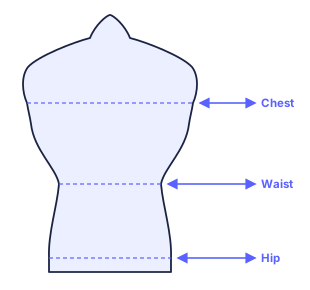
Every SHEIN product page has its own size guide, opened from a button on the listing, showing garment measurements in centimetres and inches for each size. Measure yourself with a soft tape first: bust at the fullest point, waist at the natural waist, and hips at the fullest point, in centimetres so you match the chart’s primary unit. Then compare your numbers with the row for your intended size. If you want the ease a photo shows, add that ease deliberately. Check how the table describes each figure before comparing, because some charts report flat garment widths rather than body circumferences, and the two must not be mixed. Length matters more on SHEIN than on many other sites: tops often run short in the body, and cropped styles are common, so confirm the length against a top you own before ordering.
Stretch level and elongation change the right size
Many SHEIN listings include two fabric details that should directly affect your choice: a stretch rating (for example, no stretch, slight stretch, or high stretch) and an elongation percentage that describes how far the fabric can extend. High elongation means more give, and it is the reason a fitted item can be comfortable at or below your body measurement, while a no-stretch item must clear your measurements outright.
Use the rating to pick a direction when you are between sizes. For a low-stretch or non-stretch item (a woven top, rigid denim, faux leather), choose from your actual measurements and lean to the larger size. For a high-elongation knit or jersey, some shoppers deliberately choose a size down for a held-in fit. When the fabric line is unclear from the description, the elongation figure and the buyer comments are the clues to use.
Reading buyer reviews without borrowing someone else’s body
Reviews are the most useful tool for SHEIN’s variability, but only when read correctly. The useful reviewer is one who states their measurements or body type, the size they ordered, and how the item fit on them, ideally with a photo. A pattern across several such reviews, where reviewers of your height and measurements found the Medium too small, is actionable in a way a lone “runs small!” is not, because “true to size” depends on the reference brand each reviewer brings to the table.
Expect disagreement and follow the majority that matches you. Reviews for the same item routinely conflict, sometimes sharply; when the reviewers in your size range mostly say to size up and one says the item is huge, follow the pattern that matches your measurements.
Photos are especially valuable because they show where an item actually sits: shoulder width, waist position, hem length. The studio photo cannot show those.
Converting between SHEIN’s size scales
SHEIN displays sizes in the convention of your storefront, with US, EU, UK, and other regional conversions available on the product pages. The catch is that the conversions sit on SHEIN’s own size block, not on a universal standard. In practice, regular SHEIN sizes run one to two sizes smaller than the US sizes most shoppers know. The plus range, SHEIN Curve+, follows a numbering closer to standard US and UK plus sizing, with its own charts. That is a separate scale again, so a plus-range size and a main-range size with similar-looking labels are not the same garment block. Because the conversions rest on an inconsistent base, treat them as orientation only. Once a product works for you, the number that matters is the product-level measurement in centimetres; store it, because it transfers to the next item far more reliably than the label does.
What to do when the order arrives
Judge a SHEIN order the way the chart intended: try the item indoors, with the underlayers and shoes you plan to wear, before removing tags or disposing of packaging. Move in it. Sit, bend, raise your arms, walk; a garment that looks right standing can bind on the first stretch or shift after ten minutes. Assess the tightest point, not the easiest one: a dress that pulls at the bust or a jacket that restricts the shoulders will not improve with wear unless the fabric has stretch to give.
Compare what arrived with the chart you used. If the garment’s measurements differ clearly from the table, that is useful information for an exchange and for your fit record, and the exchange process goes smoother when you can point to a measurement. Check the item’s return window before ordering, and keep the product code until the item has been worn and washed once.
Keep a fit record for your next order
SHEIN rewards shoppers who keep notes. After each order, record the product ID, the size, the fabric and stretch details, and whether the fit was right at the bust, waist, hip, and length. “It fit” is not a record. Over a few orders, the record tells you which measurements work on your body for each fabric type, which is the closest thing to a personal SHEIN size chart that exists. The same record explains anomalies: an item that “runs small” may simply have a smaller bust measurement in its table than the items that fit you well.
This is an independent educational guide. The size chart and measurements on the current SHEIN listing remain the final reference for each item you buy.
Frequently Asked Questions
Common sizing questions about SHEIN Size Chart answered.
Does SHEIN run small?
Yes, SHEIN sizing generally runs 1 to 2 sizes smaller than standard US sizing. For most women's clothing, order one size up from your usual size. Always check the specific measurements listed on the product page in centimeters, as sizes are not consistent across all SHEIN products.
How do I find my SHEIN size?
Measure your bust, waist, and hips in centimeters. Then open the SHEIN product page and click "Size Guide." Compare your measurements to the chart. Do not rely on the size label alone, always check the numeric measurements.
Is SHEIN sizing the same for all products?
No. SHEIN carries products from many different suppliers. A Large in one SHEIN dress may fit very differently than a Large in another. The product-level measurement chart is the only reliable guide for each specific item.
How do SHEIN sizes compare to US sizes?
As a rough guide, SHEIN XS is approximately US 0-2, SHEIN S is approximately US 4, SHEIN M is approximately US 6-8, SHEIN L is approximately US 10, SHEIN XL is approximately US 12-14. But verify with measurements for each product.
Does SHEIN have plus sizes?
Yes. SHEIN has a dedicated plus size section (labeled SHEIN CURVE+) with sizes from 0X to 4X (US 14 to 28). These items have their own size charts, and many shoppers find them more consistent in sizing than standard SHEIN styles.
What does SHEIN's stretch rating and elongation percentage mean?
Many SHEIN listings include a stretch level (such as no stretch, slight stretch, or high stretch) and an elongation percentage that describes how far the fabric can extend. High elongation means more give, so a fitted item can be comfortable at your body measurement or a size below it, while no-stretch items should be chosen from your actual measurements, usually erring larger.
Is this an official SHEIN size chart?
No. This is an independent size reference guide produced by SizeChartBase and is not affiliated with, endorsed by, or officially associated with SHEIN. SHEIN is a registered trademark of its respective owner. Always refer to SHEIN's official website for the most current sizing information.
Where does the SHEIN size data come from?
This independent guide links to SHEIN's official sizing source and explains how to read it. It does not reproduce a complete SHEIN chart; verify the current product listing before purchasing.
Standard Size Charts
Generic reference charts for this product category — useful when shopping across different brands.
Disclaimer: This page is an independent size reference guide produced by SizeChartBase and is not affiliated with, endorsed by, or officially associated with SHEIN. All brand names, logos, and trademarks are the property of their respective owners. Size data is compiled from publicly available sources including brand websites and product pages, and is provided for informational purposes only. Always verify sizing with the brand's official website before purchasing.