Age labels are a starting point, not a fit promise
Two children of the same age can differ by several centimetres in height and by a full shoe size or more in foot length, so a tag that says 4T or 5–6 years describes the middle of a range rather than your specific child. Treat the age label as a way to browse, then make the decision from measurements: height, chest, and hip for clothing, heel-to-toe length for shoes.
A child who has been tracking above the height curve for the last few checkups usually needs to shop by height rather than by birthday, and the reverse applies for a child below the curve.
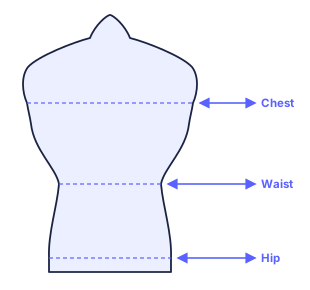
Measure height with the child barefoot, heels against a wall, chin level; a light pencil mark on a door frame works well, measured from floor to mark in centimetres. For chest, wrap the tape around the fullest part while the child breathes normally. Take waist and hip only when the item is fitted there. Compare all three against the exact garment’s chart, and when the numbers point to different sizes, choose the larger of the two that matter most for that item: chest for tops and jackets, hip for fitted bottoms.
Height is the backbone of EU children’s clothing sizes
European children’s clothing is labelled with the body height it is designed to fit, in six-centimetre steps: 56, 62, 68, 74, 80, 86, 92, 98, 104, and so on. A child who measures 82 cm sits near the top of size 80 and the bottom of size 86, so the choice is between wearing room now and growing room later. The system’s strength is that it is measurement-based: if you know the child’s height in centimetres, you can read an EU label directly instead of translating an age range.
The same logic makes the height column useful when a brand only lists US sizes. If your child measures 92 cm and a US chart says 2T fits up to about 91 cm while 3T starts around 93 cm, decide from the cut and how much growing room you want, not from which age feels right. Age labels drift between brands even when the centimetre ranges agree, so the height column is the consistent reference to carry between shops.
T sizes and numbered sizes look alike but are cut differently
In the US system, a toddler size such as 3T or 4T is not the same garment as a regular numbered 4 or 5. The T versions are cut with more room through the seat and a shorter rise, leaving space for a diaper or pull-up and for the squat-and-sit movement of a toddler. The numbered sizes assume a potty-trained child and are trimmed closer through the hip and seat. A child leaving diapers often fits the same height range in either label but finds the numbered cut less bulky. Do not assume that a child who has outgrown 4T automatically fits a size 5. Check the height range first, and remember that the switch from T sizes to numbered sizes usually happens somewhere between ages three and five, driven by proportions and potty training rather than by the birthday itself.
How US, UK, and EU kids’ shoe scales line up
Children’s shoe scales do not continue from adult sizing, and the US scale splits into toddler and youth ranges. As a practical anchor, a US 13C in the toddler and little-kid range sits around EU 31 and UK 12.5, while a US 1Y in the youth range sits around EU 32 and UK 13.5. Foot length is the safer cross-check: US 13C corresponds to roughly 19.5 cm of foot length and US 1Y to roughly 20.2 cm, though each brand’s table should confirm the exact range.
The UK kids’ label for the same foot usually runs about half a size below the US label, and the EU scale uses smaller, denser steps than its adult version, which is why adult conversion charts cannot be reused for children. Measure both feet late in the afternoon or evening, when feet are at their largest, and always fit the longer foot.
How much growing room is too much
Shoes need a small allowance beyond the longer foot (roughly 1 cm, or about one size) so the toes never touch the front while walking. More than that is not room to grow but room to trip: in an oversized shoe the child curls the toes to grip, which is uncomfortable and can change the way they walk. As a quick check, have the child stand with the toes at the front of the shoe; you should be able to fit about a thumb’s width between the heel and the back of the shoe.
Clothes tolerate more generosity than shoes. Rolled cuffs and sleeves absorb a few extra centimetres, and outerwear is often bought a size up because it sits over layers. But a jacket whose sleeves cover the hands is a nuisance on stairs and playgrounds, so cap the generosity at what the child can still move in safely.
Recheck on a schedule, not on a complaint
Children do not grow evenly: a shoe that fit in September can be tight by January, and growth spurts often arrive as bursts rather than steady drift. Re-measure feet roughly every three to four months for toddlers, and check again before buying seasonal footwear even when the child says nothing, since children rarely notice a shoe is too small until it hurts. Spurts also change clothing proportions; a sudden gain in height can leave chest and waist unchanged, which is why each purchase should be decided from fresh measurements rather than the last order.
The classic mistake is buying a size ahead at a season-end sale and finding, months later, that the child skipped straight past it. If an item will sit in a drawer for a while, buy for the height the child will be when it is worn. A spring-clearance jacket that first gets real use in October should be sized from a height half a year ahead.
Keep a running note of the child’s height and foot length next to the size chart you rely on. Children’s tables are revised from time to time and brand age bands drift, so a fresh check of the seller’s current chart for the exact item is worth the minute it takes before every order.