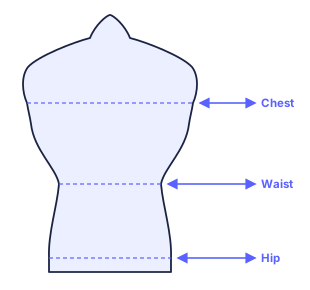
Uniqlo uses Japanese sizing which runs smaller than US standard. Their S/M/L labels correspond to Japanese body measurement standards, and their LifeWear fit is designed to be trim and minimalist. Here is how to find your Uniqlo size.
Use the official chart for this purchase
Measure the relevant body part or longer foot, select the official table for the exact product and audience, then compare the measurement with the column named by that table. Do not treat this independent guide as a complete brand chart.
Fit Notes for Uniqlo Size Chart
Brand-specific sizing advice that goes beyond the standard chart.
1
Uniqlo tops run 1–2 US sizes smaller. A US Medium typically needs a Uniqlo Large or XL, especially for the chest.
2
Uniqlo denim uses a US-style waist × length format but runs slim — many customers size up 1 in the waist for a comfortable fit.
3
Uniqlo's HEATTECH and AIRism lines are designed form-fitting — size up if you want a relaxed layering fit.
Use garment measurements before letter sizes
The most reliable way to choose Uniqlo clothing is to compare a garment you already like with the measurements listed for the exact item. “S,” “M,” and “L” are labels, not a universal conversion. The same letter can fit differently across a fitted T-shirt, an oversized shirt, a cropped jacket, and a seasonal collaboration. Regional storefronts can also present different ranges and measurements, so avoid treating a label from one country as a promise for another.
Lay a comparable garment flat without stretching it. Measure chest width from underarm to underarm, body length from the highest shoulder point, and sleeve length from the shoulder seam where relevant. For trousers, measure the waist flat, rise, thigh, inseam, and leg opening. Double flat widths only when the retailer’s table asks for a circumference; otherwise compare like with like. This gives a more useful answer than converting from a previous brand’s label.
Build in the ease you want
Start with the finished-garment measurement, then decide how much ease you want. A close base layer needs little extra room; a shirt worn over a T-shirt needs more; an outer layer needs enough space for the garments beneath it. If the item description says “oversized,” compare it to a garment with a similar intended silhouette rather than automatically sizing down. The goal is to match the design’s proportions as well as your body measurement.
For a slim or regular cut, pay particular attention to the largest point of your chest, hip, or upper arm. Pick the size that clears that point comfortably, then use hemming or styling rather than forcing a smaller size for a shorter length. For button-front styles, sit and move your arms after trying on the garment: pulling between buttons or restriction across the back usually means the garment needs more ease.
AIRism, HEATTECH, and layers
Technical base layers are designed for different uses. A close-fitting AIRism item may be chosen for a smooth layer under a shirt, while a HEATTECH piece worn as an everyday top may feel better with additional room. There is no universally correct choice. Decide whether the item is a base layer, a standalone top, or part of a cold-weather stack, then compare the garment dimensions with the amount of ease you use in that role.
For a warm layer, test shoulder movement and the combination you will actually wear. A top that fits perfectly on its own can feel restrictive under a jacket. Conversely, adding too much room to a lightweight base layer can make it bunch. Save the product code and size after a successful purchase; it is a more dependable reference for a later order than a broad claim that the entire brand runs large or small.
Denim, trousers, and altered lengths
For bottoms, separate waist fit from inseam. Measure at your natural wearing position, not necessarily your narrowest waist, and compare the rise with a pair you own. A higher rise can feel tighter at the same labeled waist because it sits on a different part of the body. Check the item’s fabric composition as well: rigid denim and stretch-blend denim will behave differently after an hour of sitting and walking.
Where an item can be altered, confirm the retailer’s current alteration rules before purchasing. An alteration can solve a length issue, but it cannot create room through the seat, thigh, or waist. Try the garment seated, take a normal stride, and check pockets and cuffs before deciding it is the right size.
Five checks before ordering online
Open the size table for the exact colour and style, not a similar item.
Compare finished-garment measurements with an item you wear often.
Choose the amount of ease for layering and the intended silhouette.
Check fabric composition, stretch, rise, and available length options.
Keep the product page and return policy available until you have tried the item on.
This page is an independent sizing reference, not an official Uniqlo size chart. Product measurements, fit descriptions, and regional availability change over time; use the current Uniqlo listing as the purchase decision source.
Keep the comparison repeatable
Use the same tape, flat surface, and reference garment whenever you compare a later order. Record whether a width is flat or doubled and whether the reference item has been washed. That small record avoids a common online-shopping error: treating a number taken from a stretched knit as though it were a body measurement. It also makes it easy to identify whether a later difference comes from a changed cut, a different fabric, or simply a different intended fit.
Kids’ sizes follow the same measurement logic
Uniqlo’s kids’ range uses height-based labels for younger children and moves toward letter or numeric sizes for older kids. Measure standing height and compare it with the item’s height range rather than age, since children of the same age differ widely. Leave only the growth allowance that the specific garment tolerates: too much room in a jacket changes sleeve length and shoulder position, and too little in trousers is immediately uncomfortable. Check the exact item’s table rather than scaling down the adult chart, because proportions, not just length, change with age.
Frequently Asked Questions
Common sizing questions about Uniqlo Size Chart answered.
Does Uniqlo run small?
Yes, Uniqlo uses Japanese sizing which runs 1-2 sizes smaller than standard US sizing. A Uniqlo Large is roughly equivalent to a US Medium. Always check the listed measurements in centimeters rather than just the size label when ordering Uniqlo online.
What is Uniqlo size L in US sizing?
Uniqlo L is approximately a US Medium to Large depending on fit preference. For men, Uniqlo L corresponds to a chest of about 41-43 inches. For women, Uniqlo L fits a bust of approximately 37-39 inches.
How do Uniqlo jeans sizes work?
Uniqlo jeans use a US-style waist × inseam format (e.g., 28×28). However, their denim cuts are slim to regular — if you prefer a relaxed fit, size up one in the waist. Uniqlo's skinny and slim fit jeans run particularly close to the body.
Does Uniqlo have plus sizes?
Uniqlo has expanded its size range to 3XL in many styles, which covers a chest of approximately 51-53 inches for men. Women's sizing goes up to 3XL (approximately US size 20-22) in certain collections, though availability varies by region.
Is this an official Uniqlo size chart?
No. This is an independent size reference guide produced by SizeChartBase and is not affiliated with, endorsed by, or officially associated with Uniqlo. Uniqlo is a registered trademark of its respective owner. Always refer to Uniqlo's official website for the most current sizing information.
Where does the Uniqlo size data come from?
This independent guide links to Uniqlo's official sizing source and explains how to read it. It does not reproduce a complete Uniqlo chart; verify the current product listing before purchasing.
Standard Size Charts
Generic reference charts for this product category — useful when shopping across different brands.
Disclaimer: This page is an independent size reference guide produced by SizeChartBase and is not affiliated with, endorsed by, or officially associated with Uniqlo. All brand names, logos, and trademarks are the property of their respective owners. Size data is compiled from publicly available sources including brand websites and product pages, and is provided for informational purposes only. Always verify sizing with the brand's official website before purchasing.