Crocs fit differently from traditional shoes because of the molded foam construction. Most Classic Clogs and Sandals run true to size, but certain styles like the Bistro or Lined Clog may fit slightly differently. Here is everything you need to find your Crocs size.
Use the official chart for this purchase
Measure the relevant body part or longer foot, select the official table for the exact product and audience, then compare the measurement with the column named by that table. Do not treat this independent guide as a complete brand chart.
Fit Notes for Crocs
Brand-specific sizing advice that goes beyond the standard chart.
1
Classic Crocs are designed with extra wiggle room. If you prefer a snug fit, size down half a size.
2
Wide-foot shoppers often find Crocs ideal as the J-shaped last provides more room in the toe box.
3
Lined and Fuzzy Crocs run about half a size small due to the lining taking up interior space.
Start with the fit family, not the number on your old shoes
Crocs are molded rather than built from a conventional leather or mesh upper, so a familiar sneaker size is only a starting point. The useful question is how much room you want around the heel, instep, and toes. A Classic Clog is deliberately roomy; it should not feel like a running shoe. A lined clog gives up some of that interior room, while a work-oriented style may hold the foot more securely. Check the product page for the stated fit family before using any conversion table.
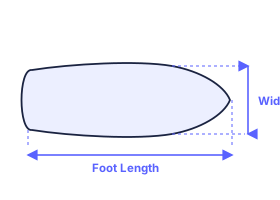
For a first pair, measure both feet while standing on a hard floor. Use the longer heel-to-toe measurement, then compare it with the centimetre value in the product’s own chart. Do this late in the day, when feet are usually at their largest. If your two feet differ, fit the longer one; a shoe that is slightly relaxed on the smaller foot is normally easier to wear than one that presses the longer foot.
What “roomy,” “relaxed,” and “standard” mean in practice
Crocs uses fit descriptions to communicate interior volume, not merely length. A roomy fit leaves visible space around the foot and makes it easier to wear barefoot or with thicker socks. This is the common expectation for Classic Clogs and many sandals. It is a good choice if your forefoot is broad, you dislike pressure over the instep, or you plan to use the heel strap behind your ankle while walking.
A relaxed fit usually feels more contained through the heel and upper while retaining some toe room. It can suit people who find a Classic Clog loose when the strap is forward. A standard fit is the closest-feeling option and deserves more care: compare your measured length with the style-specific chart and allow for the socks you actually expect to wear. None of these labels replaces the measurements shown on an individual product page, because a platform, liner, or upper treatment changes usable space.
Choosing between whole sizes
Many Crocs styles are sold in whole sizes. If your usual size falls between two choices, decide from length first and volume second. Choose the larger option when your longer foot is close to the upper end of the brand’s stated measurement range, when you wear socks, or when the selected style is lined. Choose the smaller option only when the chart places you comfortably within that size and you intentionally want less movement. Do not size down solely because the shoe looks wide: width is part of the design, while a short heel-to-toe fit can cause toe contact on descents or stairs.
After trying them indoors, stand, walk, and use the heel strap in both positions. Your toes should not hit the front, the strap should not pull the heel forward, and the shoe should stay on during a normal stride without gripping your toes. Test the pair on a clean surface until you are certain of the fit, following the retailer’s return conditions.
Lined, platform, sandal, and work styles need a separate check
Lined and fuzzy versions deserve their own measurement check because the lining occupies interior volume and can change how the heel sits. A platform changes the outside height more than the basic length, but the product page may use a different last or upper. Sandals expose more of the foot, so a loose length can be more obvious. For work or slip-resistant styles, secure heel hold may matter more than the relaxed feel that some people prefer in a casual clog.
For children, measure rather than estimating from age. Leave the growth allowance recommended by the specific product guide, but avoid buying so large that the child has to curl their toes or drag the shoe. Recheck measurements during growth spurts and choose the chart that matches the exact kids’ style rather than an adult conversion.
A short buying checklist
Find the exact style and its published fit description.
Measure both feet in centimetres while standing; use the longer result.
Compare the result with the style’s official chart, then account for socks or lining.
Select for length before deciding how much room you prefer.
Walk indoors with the heel strap in the position you will use most.
This is an independent educational guide. Product specifications and regional size labels can change, so the Crocs product page and retailer return policy are the final references for a purchase.
If you are still between two choices
Do not use a photo of the shoe on another person as your deciding evidence. Foot length, instep height, and the way someone wears the heel strap are not visible in a product image. Instead, keep the measurement you used, save the exact style name, and compare the seller’s stated return window before ordering. If the pair is bought for standing work, travel, or water use, test that use pattern indoors where possible. A comfortable fit should feel stable after several minutes of walking, not only immediately after slipping the shoe on.
Frequently Asked Questions
Common sizing questions about Crocs answered.
Do Crocs run true to size?
Classic Crocs generally run true to size, but they are designed with extra room for comfort. If you want a closer fit (less heel slip), size down half a size. Lined and fuzzy Crocs tend to run about half a size small.
What size Crocs should I get if I wear a 9.5?
If you typically wear a 9.5, consider getting a size 10 in Classic Crocs for a relaxed fit. For a Relaxed fit Croc, size 9 or 10 both work depending on preference. Crocs only come in whole sizes, so you will need to choose between the two.
How do I convert Crocs sizes to EU?
Crocs men's US 8 = EU 41-42, US 9 = EU 43-44, US 10 = EU 44-45. Women's US 7 = EU 39-40, US 8 = EU 40-41. Crocs provide a specific EU size chart on their website for each style.
Are Crocs unisex?
Crocs offers both unisex and gender-specific sizing. Most Classic styles come in a unisex scale. Women's exclusive styles (like some heels or ballet flats) use standard women's US sizing.
Is this an official Crocs size chart?
No. This is an independent size reference guide produced by SizeChartBase and is not affiliated with, endorsed by, or officially associated with Crocs. Crocs is a registered trademark of its respective owner. Always refer to Crocs's official website for the most current sizing information.
Where does the Crocs size data come from?
This independent guide links to Crocs's official sizing source and explains how to read it. It does not reproduce a complete Crocs chart; verify the current product listing before purchasing.
Standard Size Charts
Generic reference charts for this product category — useful when shopping across different brands.
Disclaimer: This page is an independent size reference guide produced by SizeChartBase and is not affiliated with, endorsed by, or officially associated with Crocs. All brand names, logos, and trademarks are the property of their respective owners. Size data is compiled from publicly available sources including brand websites and product pages, and is provided for informational purposes only. Always verify sizing with the brand's official website before purchasing.